
MAXIMIZE YOUR
BY COACHING WITH CELINA
FEATURED IN:


WHO IS
CELINA GLENNON
As Master Facilitator with The Elliott Group, I help individuals and businesses scale with confidence, mastering sales, leadership, and client experience.
With over a decade in the automotive industry, my turning point came in 2021 when I invested over $25K in mentorship with Andy Elliott. In just six months, I rose from top-performing salesperson to become the first female finance and sales manager in my company, eventually leading a sister store to record-breaking numbers. That journey transformed my life and now, I help others experience the same.
Let’s connect for a powerful 15-minute call that could change the trajectory of your business.

ABOUT COACHING WITH CELINA GLENNON
Is Private Coaching Right for You?
Absolutely! If you're ready to elevate your personal and professional success. My coaching is highly personalized, but 1-on-1 sessions allow us to go even deeper into your unique strengths, challenges, and goals. Together, we’ll craft a customized plan that aligns with your vision and fits seamlessly into your life.
Who Do I Work With?
Public speakers looking to captivate audiences
Professionals seeking career advancement
Entrepreneurs and business owners wanting to sharpen their leadership skills
Sales professionals aiming for higher conversions and authentic connections
Individuals on a journey of personal growth and authenticity
Why Invest in a Consultation?
After 15 years in business, I’ve learned that self-education is the greatest path to success. Investing in yourself isn’t just about gaining knowledge, it’s about taking yourself and your future seriously.
Your initial consultation is a 1-hour private session where we’ll dive into your intake forms, assess your current challenges, and outline a strategic path forward. This isn’t just a conversation, it’s a powerful first step toward real transformation.
How to Get Started
STEP 1
Click the button below to book your coaching session.
STEP 2
Fill out a brief intake form to help tailor our session.
STEP 3
Instantly schedule your consultation at your convenience.
I look forward to working with you and helping you take the next big step toward success!
SEE WHAT CELINA GLENNON IS DOING!


Get In Contact With Celina
If you have any questions about coaching with me, hosting me on your Podcast, or anything else, please fill out the form below, and I’ll be in contact.
Revenue From Retention PODCAST
Welcome to the Revenue From Retention podcast, hosted by Celina Glennon, a podcast dedicated to infusing your midweek with motivation, strategies, and success stories. With Celina at the helm, each episode brings you expert insights and practical advice from thought leaders across industries. Dive into topics spanning personal growth, career advancement, and leadership development, all aimed at empowering you to conquer your goals. Tune in every week on Apple Podcasts, Spotify, and other major platforms for a captivating blend of inspiration and actionable tips, fueling your journey towards success in both professional and personal realms.


Latest News
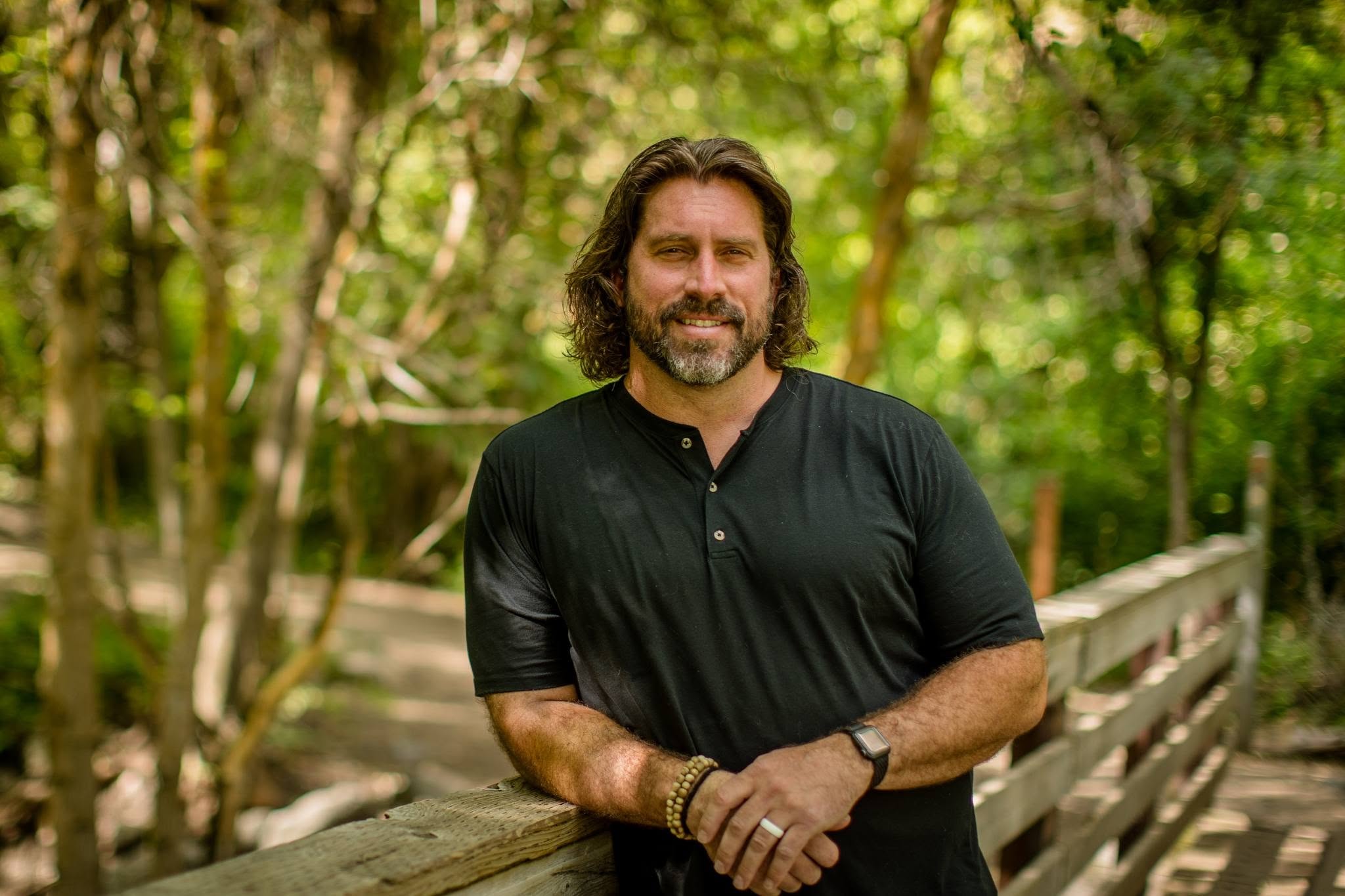
Stop Having the Fear of Not Being Enough
There are conversations that stay with you long after the recording stops, and this episode of Revenue from Retention is one of them. Paul Blanchard has spent over two decades helping entrepreneurs, executives, and high performers find alignment between their mind, body, and emotions. He is the mind behind Whole Body Mindset, and his work centers on something most personal growth spaces avoid: the idea that transformation cannot be forced, only felt.
Before the mics were even on, Paul had already left a mark on Celina. During an earlier conversation, he gave her a phrase she wrote directly onto her hand: “I will learn to honor the holiness of my no.” It became the perfect entry point into an episode built around presence, self awareness, and what it really means to feel something all the way through.
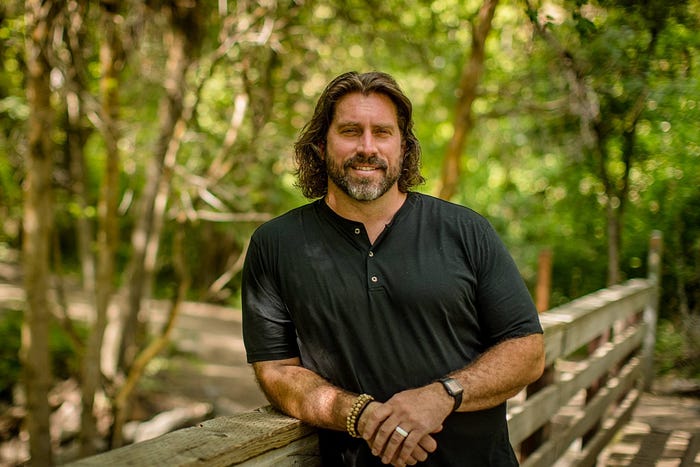
An Obsession With the Human Experience
Paul did not start his career as a mindset coach. He grew up doing classical theater and comedy improv, spending a decade sharpening skills that would later shape how he shows up in every room he enters. But what makes him effective, he explained, is not performance. It is a lifelong obsession with the human experience, including his own.
He shared one of the most difficult chapters of his life, a season that included financial bankruptcy and the unraveling of his marriage, all while holding his newest daughter. In the middle of that collapse, he called his father. What his dad said to him that day became a guiding principle for how Paul now approaches pain and growth.
His father told him to go through it with his eyes wide open.
Paul compared it to Alice falling down the rabbit hole. Most people close their eyes on the way down. But some of the most important lessons are written on the walls as you fall, if you are willing to look.
Honesty Versus Truth
One of the most striking parts of the conversation was Paul’s distinction between what is honest and what is true. As children, when we say something honest but factually incorrect, like insisting there is a monster under the bed, adults often correct us instead of validating the feeling behind it. Over time, this teaches children that their emotional honesty is not welcome unless it can be proven true.
Paul believes this early conditioning creates a kind of hypervigilance, where people spend their lives scanning for what the world will accept instead of trusting what they actually feel. Healing, in his view, starts with relearning how to be honest again, even when that honesty is messy.
Chasing Feeling Instead of Chasing Achievement
Celina brought up a moment from her own wedding planning, describing an emotional wave that hit her a full week before the ceremony while her now husband did not break down until the actual day. It led to a broader conversation about presence.
Paul offered a thought experiment. Imagine being given everything you ever wanted, but in exchange you could never feel anything again. Nobody wants that deal. And yet, he pointed out, many people spend their entire lives chasing achievement as a stand in for feeling, when the feeling was always available without the achievement.
He shared a personal reflection about mortality, one he called a daydream that came to him during a mastermind session. He imagined standing before a creator after this life and being asked not what did you accomplish, but what did you feel. His hope is that the answer could simply be all of it, and that the response back would be good job, that was the point.
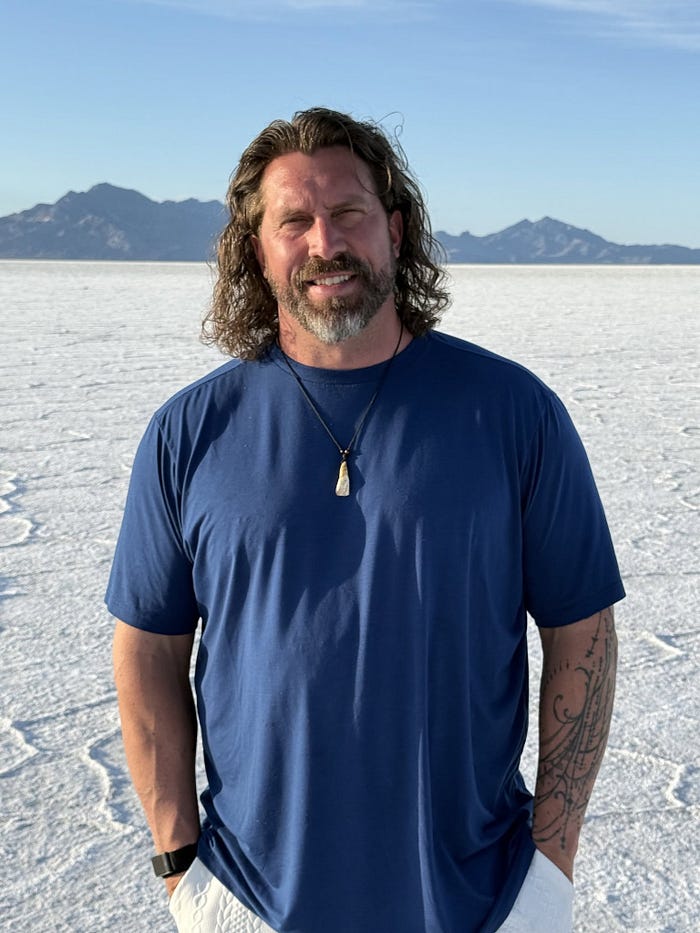
Why Burnout Is a Signal, Not a Diagnosis
The conversation shifted into one of the most practical parts of the episode: burnout. Paul refused to treat burnout as something broken that needs fixing. Instead, he described it as a signal, similar to anxiety or fear, pointing toward misalignment.
He explained how survival strategies formed in the first months of life carry more influence over our behavior than anything we consciously decide later, yet we are the least aware of them because our sense of self develops after those patterns are already set. This is why so many people feel disconnected from why they act the way they do, especially under pressure.
He also made a clear distinction between manipulation and transformation. Manipulation, he said, has its place, comparing it to the Heimlich maneuver or antibiotics. These are necessary in acute moments. But when manipulation techniques get mistaken for lasting transformation, people end up in cycles of forced motivation that eventually collapse.
Letting Life Be Easy
Perhaps the most challenging idea Paul introduced was this: allowing your life to be easy might be one of the hardest things a person ever does. Many high achievers, including Paul himself during his years as a workaholic, have been trained to believe that struggle is required for success.
He pushed back on that belief, describing how humans are biologically wired with more capacity for pleasure than pain, yet culture rewards suffering as if it were the only valid fuel for ambition. True change, he said, happens slowly, through nervous system regulation rather than willpower or hustle.
Rare and Rooted
Near the end of the episode, Celina turned the conversation back to Paul directly, telling him how secure he seemed in who he is. She asked him to rate, on a scale of zero to one hundred, how deeply rooted he feels in trusting that part of himself.
Paul rated it a five, admitting that even after all his work, he still expects to understand himself more as he continues to grow. It was a quietly powerful moment, a reminder that even those who guide others through transformation are still walking their own path.
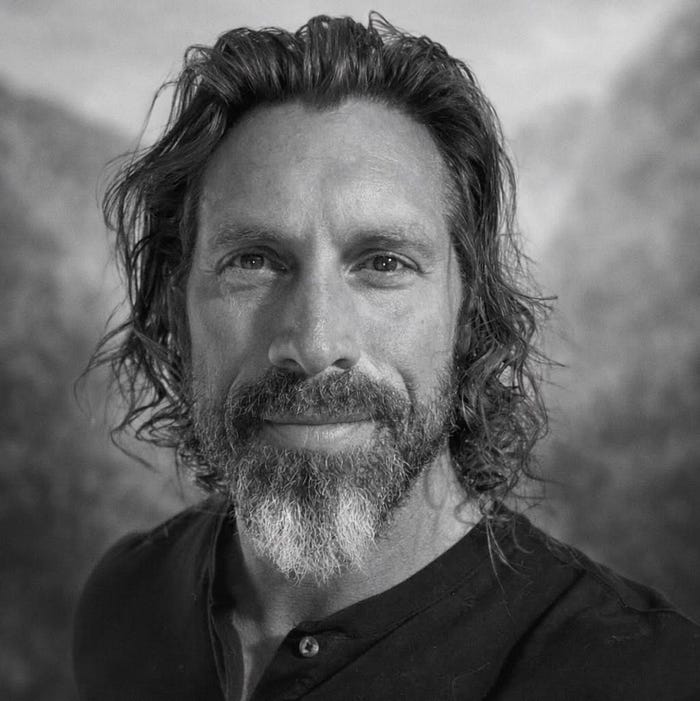
Where to Find Paul
Paul shared that people do not need to hire him to reach out. He offers two free assessments on his website through Whole Body Mindset. One measures unconscious neurological patterns through something called the Habit Finder, technology he helped build and refine with his father. The other is called the Unmarketable Coach assessment, designed for coaches, guides, and healers who feel out of step with traditional marketing advice.
He is most active on TikTok and Instagram, where he shares raw, unscripted reflections recorded during hikes and everyday moments.
This episode is a reminder that growth does not always look like discipline or hustle. Sometimes it looks like slowing down long enough to feel what you have been avoiding.
Keep shattering limiting beliefs.
About me:
I am currently a Master Facilitator for The Elliott Group in addition to being on the board of advisors for our Cultural Transformation Department in ELLIOTT ARMY.
With over 14 years of client service experience, I have held substantial leadership roles in the automotive industry. I’m also an accredited coach, a speaker, a triathlon finisher, and a wife. To contact me for engagements, you can reach me at[email protected].
