
MAXIMIZE YOUR
BY COACHING WITH CELINA
FEATURED IN:

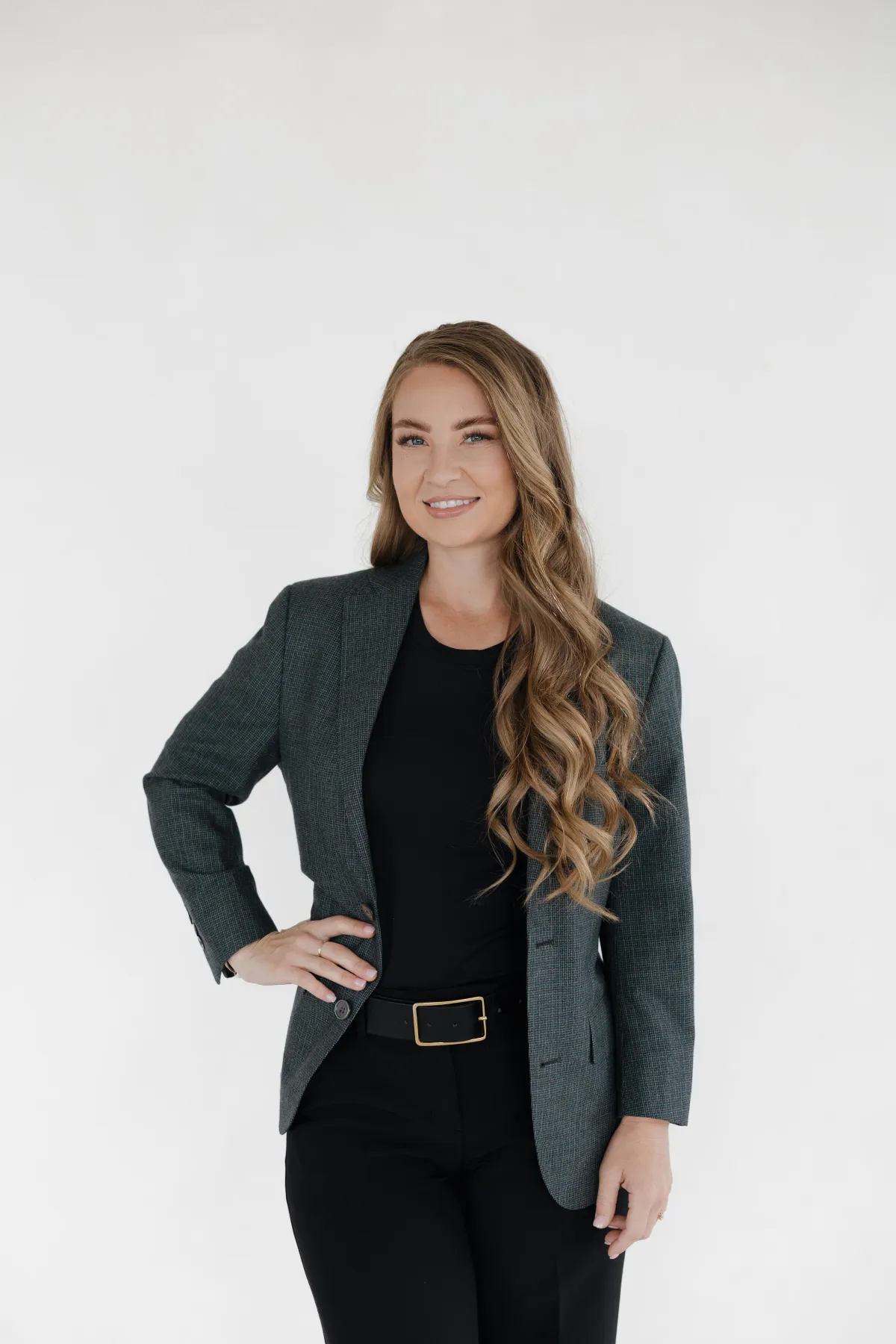
WHO IS
CELINA GLENNON
As Master Facilitator with The Elliott Group, I help individuals and businesses scale with confidence, mastering sales, leadership, and client experience.
With over a decade in the automotive industry, my turning point came in 2021 when I invested over $25K in mentorship with Andy Elliott. In just six months, I rose from top-performing salesperson to become the first female finance and sales manager in my company, eventually leading a sister store to record-breaking numbers. That journey transformed my life and now, I help others experience the same.
Let’s connect for a powerful 15-minute call that could change the trajectory of your business.
ABOUT COACHING WITH CELINA GLENNON
Is Private Coaching Right for You?
Absolutely! If you're ready to elevate your personal and professional success. My coaching is highly personalized, but 1-on-1 sessions allow us to go even deeper into your unique strengths, challenges, and goals. Together, we’ll craft a customized plan that aligns with your vision and fits seamlessly into your life.
Who Do I Work With?
Public speakers looking to captivate audiences
Professionals seeking career advancement
Entrepreneurs and business owners wanting to sharpen their leadership skills
Sales professionals aiming for higher conversions and authentic connections
Individuals on a journey of personal growth and authenticity
Why Invest in a Consultation?
After 15 years in business, I’ve learned that self-education is the greatest path to success. Investing in yourself isn’t just about gaining knowledge, it’s about taking yourself and your future seriously.
Your initial consultation is a 1-hour private session where we’ll dive into your intake forms, assess your current challenges, and outline a strategic path forward. This isn’t just a conversation, it’s a powerful first step toward real transformation.
How to Get Started
STEP 1
Click the button below to book your coaching session.
STEP 2
Fill out a brief intake form to help tailor our session.
STEP 3
Instantly schedule your consultation at your convenience.
I look forward to working with you and helping you take the next big step toward success!
SEE WHAT CELINA GLENNON IS DOING!


Get In Contact With Celina
If you have any questions about coaching with me, hosting me on your Podcast, or anything else, please fill out the form below, and I’ll be in contact.
Revenue From Retention PODCAST
Welcome to the Revenue From Retention podcast, hosted by Celina Glennon, a podcast dedicated to infusing your midweek with motivation, strategies, and success stories. With Celina at the helm, each episode brings you expert insights and practical advice from thought leaders across industries. Dive into topics spanning personal growth, career advancement, and leadership development, all aimed at empowering you to conquer your goals. Tune in every week on Apple Podcasts, Spotify, and other major platforms for a captivating blend of inspiration and actionable tips, fueling your journey towards success in both professional and personal realms.

Latest News
2 Things to Value as A Wedding Videographer
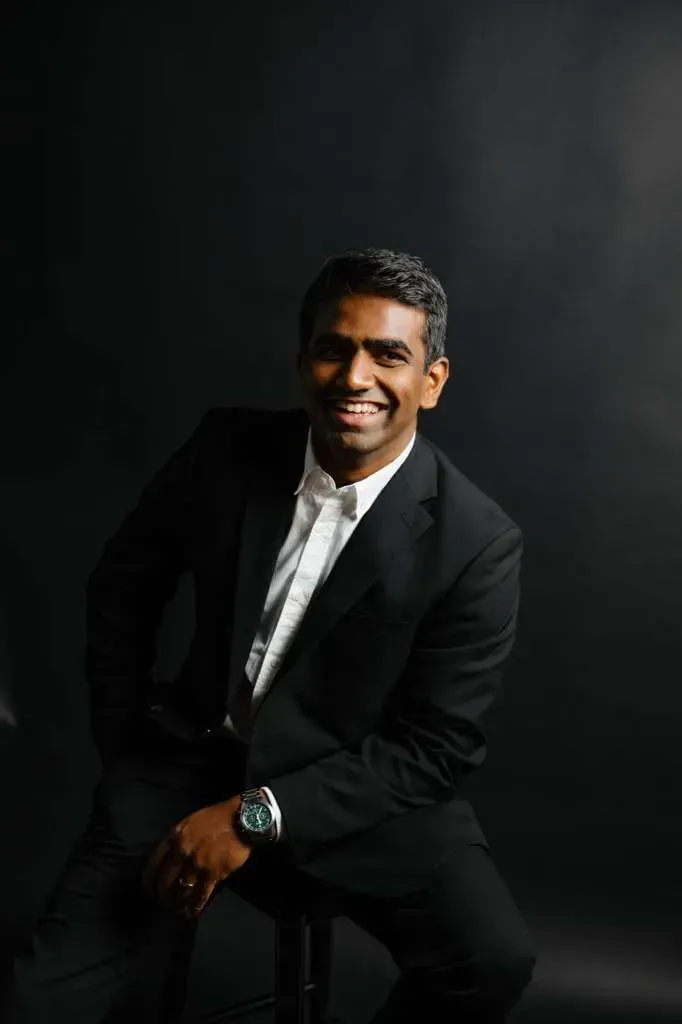
I brought a good friend and I almost didn’t ask him the right questions because I was too busy fangirling over how much we had in common. Franz, a wedding photographer and videographer from FM Visuals, sat down with me for what turned into one of my favorite conversations of the year. By the end of it, I realized he wasn’t just describing his job. He was describing exactly why this podcast exists.

Trading Places, On Purpose
Before we even got into the wedding stories, Franz told me something that reframed the whole conversation for me. He said that even though he is naturally an extrovert who loves talking to people and giving long speeches, being in front of a camera himself makes him deeply uncomfortable. This year, he started intentionally pushing past that. He booked a branding photoshoot for himself, not because he loves being photographed, but because he wanted to know exactly what it feels like to be the one being directed.
He described spending thirty minutes just getting the lighting and his tie right before he could even relax into the shoot. That experience, he said, is now shaping how he directs his own clients. He knows what it feels like to not know what to do with your hands, so he no longer assumes his couples do either.
This idea of trading places kept surfacing throughout our conversation. Franz mentioned that he has done a lot of odd jobs over the years, pizza delivery, food delivery driving, all kinds of things, and every one of them taught him a little more about what it feels like to be on the other side of a transaction. He carries that awareness into every wedding he shoots.
The Psychology Behind a Portrait Session
We spent a good amount of time talking about what actually happens during couples portraits, and it turns out there is a lot more strategy involved than I expected. Franz explained that the couples portrait session is often the only real alone time a bride and groom get on their entire wedding day. Everything else, the getting ready, the ceremony, the reception, is surrounded by other people. That short window is the only chance to capture something quiet and real.
To make the most of it, Franz does research ahead of time. He finds out what song was playing during the couple’s first date, or what they were listening to in the car the moment they realized they wanted to marry each other. During the shoot, he will play that song quietly and ask them to just look at each other for a minute, no direction given, no forced smiles. He said he is not just thinking about the visual outcome, he is thinking about the emotional and almost neurological side of it, tapping into a real memory instead of manufacturing a fake one.
He was clear that this only works if he shows up with total confidence. If he seems unsure of himself while asking a couple to be vulnerable in front of him, they will not trust the moment enough to actually lean into it. Some couples want him to give them every bit of direction because it is the first time they have ever posed together like this. Others want it to feel effortless and candid. Reading which one a couple needs, he said, matters more than any pose or lighting setup ever could.
When I heard this, I told him live on air that it was one of the biggest aha moments I have had on the show in months. I have never heard anyone connect music, memory, and photography quite that specifically before.
Where the Idea Came From
I asked Franz directly where he picked up the idea of using music this way, because it was new to me. He said he had seen other photographers ask couples about their first dance song and have them dance to it for a few shots, but his version came from somewhere more personal. He grew up taking piano lessons and has always been able to connect specific memories in his life to specific songs. He said he is also a sucker for romantic movies, naming things like The Notebook and Ghost of Girlfriends Past as inspiration, joking that shooting weddings every weekend basically lets him create his own version of those movies over and over.
That answer led me to share some of my own wedding details. My husband and I had our first dance song professionally recorded and framed as part of our guest book, and we had live musicians, a harpist and a violinist, play at our ceremony. Franz picked specifically because it is an instrument almost nobody hears live anymore. That detail turned into a fun tangent about how rare live music has become at weddings compared to just hitting play on a speaker, and how much more curated a moment feels when it is happening live in real time.
Where the Wedding Industry Is Actually Headed
We got into a longer conversation about trends, and Franz’s take surprised me a little. He said the wedding space is changing constantly, but more of what he sees now is copied rather than original, largely because so many couples are pulling inspiration straight from Instagram, Pinterest, and TikTok. He does not think that is necessarily a bad thing, since there is no wrong way to plan your own wedding, but he has noticed vendors shifting hard toward content creation. DJs now bring their own videographers. Florists and decorators bring someone to capture branding content for themselves. Guests are filming constantly.
Franz told me he is actually fine with guests filming during the day, even though some photographers find it frustrating. He said watching an aunt or uncle get emotional and pull out their phone to capture a moment is part of what makes weddings special, and he simply adjusts his own shooting position so their phones don’t end up in his frame.
He also pointed out those single venue weddings, where the ceremony and reception happen in the same place, have become far more common than the traditional model of driving between a church and a separate reception hall. Convenience and timing are driving a lot of these shifts, more than aesthetics alone.
How He Avoids Bridezillas Before They Happen
I asked him directly about difficult clients, half joking, half genuinely curious. His answer was refreshingly self aware. He said that any difficult client situation he has run into in the past was, in his words, never actually their fault, it was his for not setting expectations clearly enough up front.
Now, before any contract is signed, Franz makes sure couples know that he reserves the entire wedding day for them. If timelines run long, he is not going anywhere. He has learned to spot the moments that tend to cause friction, like when a couple’s photo timeline is running behind schedule, and proactively sends a team member to smooth things over before frustration builds. He shared one story where he actually had someone from his team step away from shooting to go grab more alcohol for a reception that was running low, just to keep the night moving. He said he will do whatever it takes for a wedding to succeed, because the reward is not just the paycheck, it is watching people walk away with eighty years of good memories.

The Lego in His Pocket
This was, without question, my favorite story of the entire episode. Franz described meeting a couple through a chance encounter, a former college classmate of his wife’s who happened to live near a Elliott Group event location. That connection turned into booking their engagement session in Sedona.
At the end of a hike during that shoot, Franz noticed a tiny Lego figure someone had left behind, part of a trend of people hiding small objects in random places. The couple thought it was a fun discovery, so Franz quietly grabbed it and kept it. He held onto that little Lego man for a year and a half, all the way until their wedding night.
At the very end of the night, after the couple had already been posed and re-posed more times than they probably wanted, Franz asked for one final shot, telling them they did not even need to look at the camera. He handed them a small box containing the Lego figure. When they opened it, the memory came rushing back instantly.
Franz pointed out that this moment cost him nothing financially. It cost him a little bit of pocket space and the mental note to remember a date. That is it. And yet it created a memory that will likely outlast every technically perfect photo from that wedding.
I told him this story is basically the entire thesis of Revenue from Retention distilled into one moment. It is never about pricing or even about how good the final images turn out. Anyone with the right gear can take a technically good photo today. What people actually remember, and what makes them refer you to their friends, is whether you made them feel truly seen.
Planning for the Things You Cannot Control
We talked at length about how Franz handles risk, since booking timelines in this industry often stretch six months to a year in advance, sometimes longer for international weddings. He said the foundation of managing that uncertainty is refusing to operate as a solo act. Early in his career, he learned from watching other photographers’ horror stories play out publicly on social media, vendors missing weddings, losing files, disappearing entirely, and he built his systems specifically to avoid ending up in one of those stories himself.
On the technical side, his approach is straightforward: photos get backed up in multiple places across multiple locations, and equipment failures get solved with rental backups. But the harder problem, he said, is what happens if the person himself is unavailable. You cannot rent a replacement for yourself. So Franz has spent years building a network of two or three photographers he trusts enough to send in his place if something happened to him, people who would deliver an experience just as good, if not better, than his own. He said he intentionally hires people who are better than him in certain areas, because it keeps him learning too.
More recently, he has gotten intentional about his own health and physical readiness, since he wants to still be doing this work in his sixties or seventies if he is still enjoying it. That means being careful about what he eats in the days leading up to a wedding, avoiding risky food that could make him sick, skipping extreme activities the week of an event, and arriving two to three days early for any wedding that requires travel, especially international ones, in case of flight delays or cancellations.
He also travels with a genuinely stocked emergency kit, sewing needles, extra buttons, stain remover, hydration packets, protein bars, and always an extra tie, ever since one groom forgot his and had to run out and buy a new one on the day of the wedding.
When Things Actually Go Wrong
I shared a story of my own here, about a wedding day in Mexico where our photographer’s husband, who was tagging along as a plus one and helping shoot as well, came down with a sudden stomach illness just as they were about halfway through the drive to the venue. Franz’s advice, hearing this after the fact, mirrored exactly what we ended up doing in the moment. We told them to turn around, go home, take care of him, and revisit the plan the next day. Thankfully, he recovered in time to shoot the wedding after all.
Franz shared his own version of chaos from a recent international wedding, three separate flat tires among different members of his crew, and a violinist who got stopped at the border coming back into the United States because he had skipped purchasing Mexican auto insurance for his rental car. The violinist ended up having to pay cash to get through, an experience Franz still shakes his head about. None of it was avoidable in the moment, but all of it reinforced why he builds in so much buffer time and contingency planning for every event now.
What Ten Years Behind the Camera Actually Taught Him
When I asked Franz what the biggest lessons of his career have been, his answer went beyond photography entirely. He talked about the value of family, and specifically about a realization he had after his own wedding, that the photos of his extended family, grandparents, aunts, uncles, mattered just as much, if not more, than his own formal portraits. He pointed out that for older relatives, that day might represent one of the last times their entire extended family is gathered together in one room, and that weight deserves to be honored just as much as the couple’s own photos.
He also talked about learning to read the emotional undercurrents of a room beyond just the couple themselves, watching a father’s reaction during a mother son dance, or a mother’s face during a father daughter dance, because those secondary reactions often carry just as much emotional weight as the primary moment being photographed.
That awareness, he said, ties directly back into how he thinks about growing his business. Every wedding is full of future clients, the unmarried friends, the newly engaged cousins, the people quietly watching how a vendor behaves under pressure. Franz said he cannot afford to let people see him frustrated or checked out, because every interaction on a wedding day functions as an audition for the next one. People remember how you carried yourself far more than they remember your camera settings.
What Comes Next
Looking ahead, Franz told me the biggest shift happening in his business right now is that he is finally stepping back from doing everything himself. Over the past year, he has built out a real team, an executive assistant, a dedicated video editor, a dedicated photo editor, and someone focused specifically on outreach. He said he has had to let go of the instinct to control every single detail personally, and that shift has freed him up to actually improve the experience for his clients instead of just keeping his head above water.
Longer term, he wants to become the kind of educator and mentor he wishes he had access to when he was first starting out, not a get rich quick coaching program, but genuine guidance on how to actually enjoy wedding photography long term, find the right clients, and avoid burning out. He sees it as a way to both grow his own team with people who already think the way he does, and to keep learning from newer photographers along the way.

The Advice That Applies Far Beyond Weddings
Toward the end of our conversation, I asked Franz what advice he would give to anyone listening, wedding space or not. His answer was simple. If you treat what you do as just a gig, just time traded for money, you will burn out and you will never build something that lasts.
He said wedding photography as a business is a slower build. It is not flashy or fast growth. But the fulfillment that comes from doing something you actually care about, while still taking care of your family, is not something you can buy. Chase the money and that is all you will ever find. Chase the purpose and the money tends to follow anyway.
That is the kind of leadership this show was built to highlight. Not the loudest kind. The kind that shows up consistently, remembers the small things, and treats people like they matter long after the transaction is over.
If you want to connect with Franz or FM Visuals, you can find him on Instagram at FM dot visuals or at FMvisuals.com, whether you are looking to book your own wedding or learn the craft yourself.
About me:
I am currently a Master Facilitator for The Elliott Group in addition to being on the board of advisors for our Cultural Transformation Department in ELLIOTT ARMY.
With over 14 years of client service experience, I have held substantial leadership roles in the automotive industry. I’m also an accredited coach, a speaker, a triathlon finisher, and a wife. To contact me for engagements, you can reach me at [email protected].
