
News
FEATURED IN:



How Logan Sneed Built an Unstoppable Mindset
In the world of medical diagnoses, few words carry as much weight as Stage Four Glioblastoma. For most, this diagnosis represents a definitive termination, a road that leaves little room for hope. But for Logan Sneed, who received this devastating news in 2016, it became the catalyst for a radical life transformation.
Today, Logan is not just a survivor. He is an entrepreneur, speaker, and coach who has turned one of life’s most brutal obstacles into a platform for global impact.
The Magnitude of the Challenge
To understand the depth of Logan’s resilience, one must understand the medical reality of glioblastoma. As one of the most aggressive forms of brain cancer, GBM is associated with a median survival rate of only 12 to 15 months, with fewer than 5 percent of patients surviving beyond three years. The standard of care typically involves intensive surgical resection followed by the Stupp protocol, which is a combination of radiotherapy and chemotherapy.
For a young man in 2016, facing such odds could easily lead to what psychologists call a helpless, hopeless response. In this state, patients see themselves as gravely ill and devoid of hope, which significantly negatively impacts mental health and quality of life. Logan, however, chose a different path known as the Fighting Spirit.
The Pivot Building an Unstoppable Mindset
Logan’s story is a living example of Posttraumatic Growth. This psychological phenomenon describes the positive change experienced as a result of the struggle with highly challenging life circumstances. Research shows that patients who experience this growth often report a greater appreciation for life, a changed sense of priorities, and a deeper sense of personal strength.
By refusing to accept the limitations of his diagnosis, Logan harnessed high levels of psychological resilience. This is the dynamic process of using personal traits and resources to protect mental health amidst adversity. Studies indicate that high resilience is linked to significantly lower rates of depression and anxiety in cancer patients. Logan did not just survive. He used the hardest moments to rebuild his mindset from the ground up, proving that our perception of a crisis often dictates our ability to overcome it.
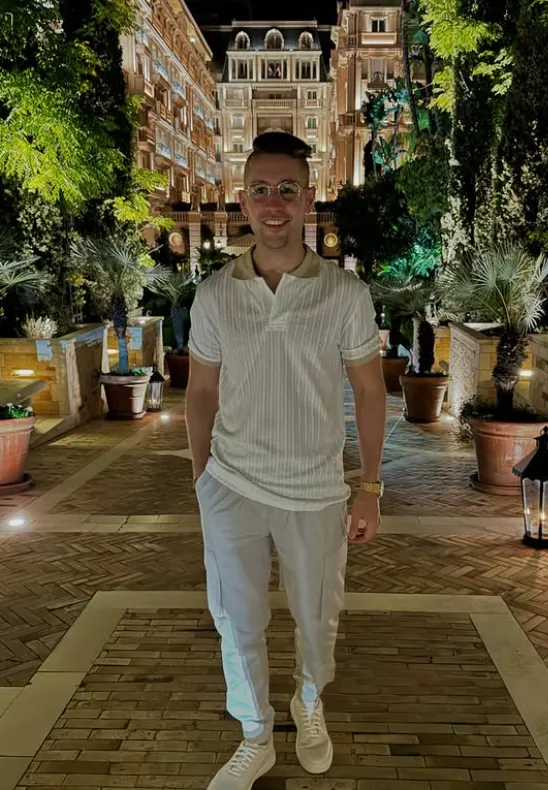
From Patient to Purpose-Driven Entrepreneur
Logan’s transition into a thriving coaching business and international speaker highlights a unique intersection of health and entrepreneurship. While many self-employed individuals struggle with the financial and psychological shame of a cancer diagnosis, others find that their identity as an entrepreneur provides a sense of normalcy and distraction.
For Logan, his business became more than a job. It became his purpose. He now helps thousands of people understand that mindset is a tool for adjustment and growth. His story mirrors academic findings that suggest a Health Mindset, which is how one views their illness in relation to their identity, can drastically improve well-being and motivation.
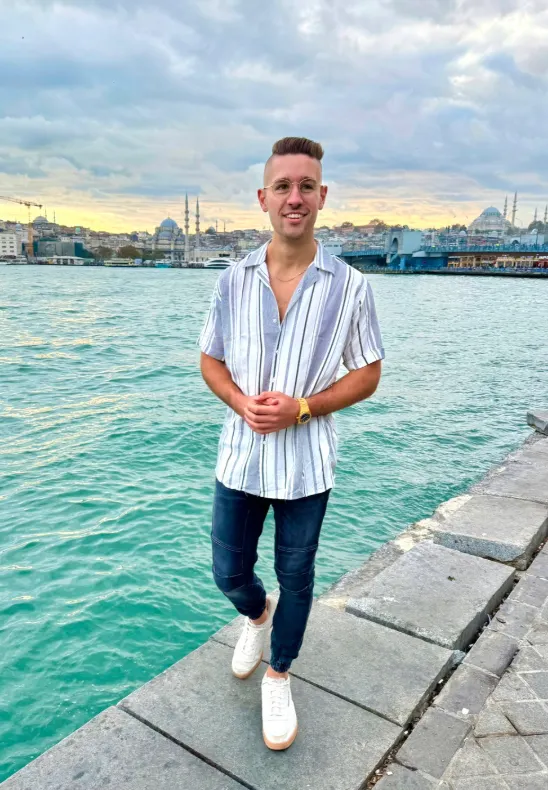
Final Perspectives: Turning Obstacles into Opportunities
Logan Sneed’s journey from a 2016 stage four diagnosis to a global stage is a testament to the power of the human spirit. He teaches us that while we cannot always control the cards we are dealt, we can control the mindset with which we play the hand.
As we discuss in this episode, the hardest moments in life are often the very things that push us into our true purpose. Whether you are facing a health crisis, a business failure, or a personal setback, Logan’s story serves as a reminder that your greatest obstacle can become your greatest opportunity if you dare to fight and have the mindset to grow.
About me:
I am currently a Master Facilitator for The Elliott Group in addition to being on the board of advisors for our Cultural Transformation Department in ELLIOTT ARMY.
With over 14 years of client service experience and have held substantial leadership roles in the automotive industry. I’m also an accredited coach, a writer, a speaker, and a triathlon finisher. To contact me for engagements, you can reach me at [email protected].
