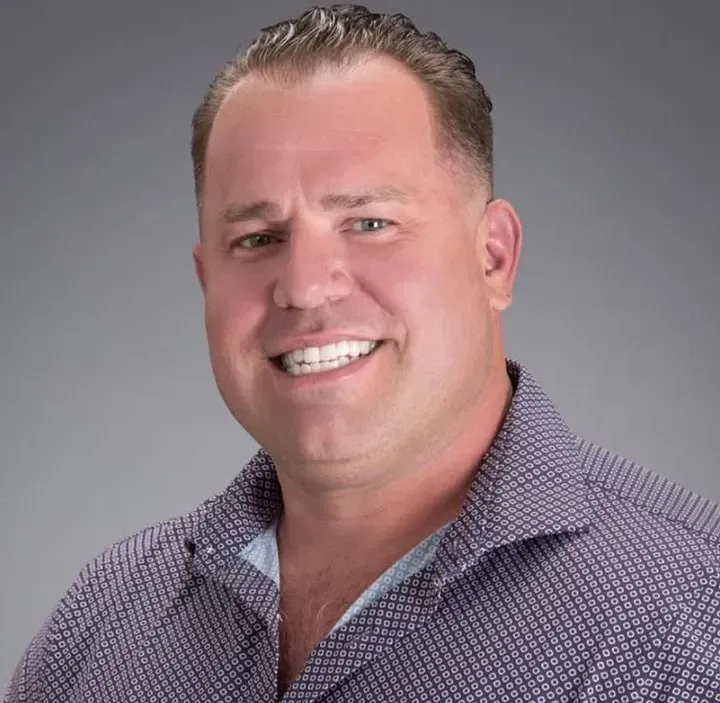
The Hardest School of Business No One Talks About
What overcoming addiction actually teaches you about impulse control, faith, and building something that lasts, a conversation with Jordan Kane.
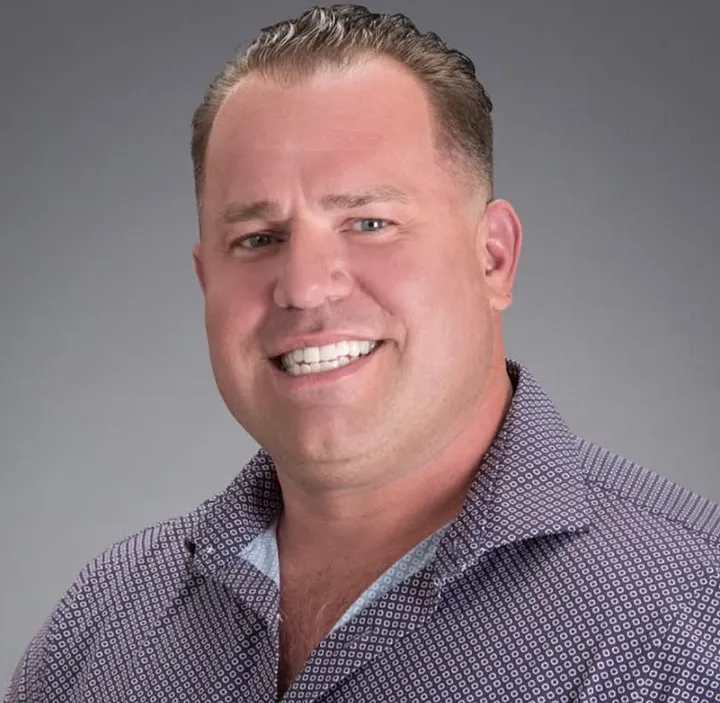
There’s a kind of personal development that doesn’t come with a course, a certification, or a LinkedIn badge. It doesn’t have a guru. It doesn’t have a morning routine template. It has withdrawal, rock bottom, and the slow, grinding work of becoming someone different than who you were.
Overcoming addiction is, without exaggeration, one of the hardest things a human being can go through. But here’s what rarely gets said: the internal skills it forges are almost identical to what high-level business and sales demand.
“Recovery is basically the hardest form of personal development someone can go through — and it produces the exact skills that business success requires.”
Today I sat down with Jordan Kane, a man who has lived this truth firsthand. Jordan overcame addiction, rebuilt a real estate career from the ground up, reconnected with his faith, and brought his family along for the journey. His story isn’t just about survival. It’s about transformation, and what that transformation unlocks.
The skill most people never develop
Addiction is a masterclass in instant gratification. The brain learns, powerfully and repeatedly, that relief is immediate, and the consequences are later. Overcoming that wiring requires something extraordinary: the ability to sit in discomfort and choose differently anyway.
That’s impulse control. And most people, even high-functioning, educated, ambitious people, never truly develop it.
The parallel to business.
Staying consistent when results are slow. Not quitting a sales process because one call went badly. Delaying gratification when the pipeline feels empty. These aren’t motivational platitudes, they are the same neurological muscle that recovery builds, daily, under real pressure.
Jordan understands this from the inside. When he was rebuilding his real estate career, he wasn’t operating on borrowed confidence or external momentum. He was operating on something harder-won: the knowledge that he could sit with discomfort and keep moving anyway. He’d proven it in a higher-stakes arena than any deal.
Long-term thinking as a survival skill
Recovery demands that someone constantly override the short-term signal in favor of the long-term outcome. Every single day. Without applause. That’s not just discipline, that’s strategic thinking made physical.
In business, we talk about vision, about playing the long game, about not optimizing for quarterly results at the expense of the decade. But for most people, those are concepts. For someone in recovery, they are lived reality. The long game isn’t a metaphor, it’s how they stayed alive.
“He wasn’t chasing short-term wins. He was playing a game he already knew how to play, just with a different scoreboard.”
Faith, family, and the anchor of something bigger
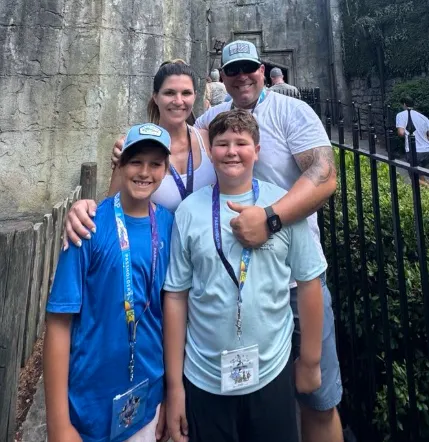
What makes Jordan’s story particularly compelling is that his recovery wasn’t just personal, it was relational and spiritual. Reconnecting with God gave him a framework that extended beyond willpower. It gave him a reason, a community, and a foundation that doesn’t shift when circumstances do.
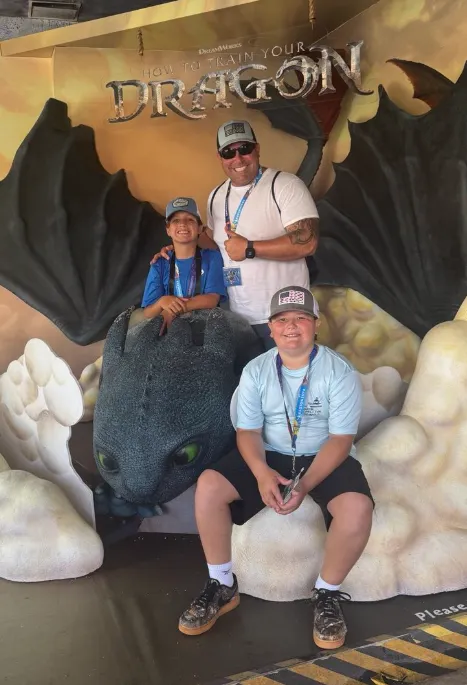
His family didn’t just witness the transformation, they were part of it. That kind of accountability, and that kind of love, changes the stakes entirely. You’re no longer just building a business or a career. You’re building a life worthy of the people who stayed.
What the business world gets wrong about resilience
We talk about resilience constantly in business culture. We put it on slide decks and keynote stages. But we rarely talk about where real resilience comes from, not from reading about adversity, but from surviving it.
Jordan didn’t need a resilience workshop. He came to the real estate table with a kind of mental toughness that most competitors don’t have access to, not because they haven’t tried, but because they haven’t been tested at that level.
That’s not to romanticize addiction or suffering. It’s to say: the people who have walked through the fire and come out the other side carry something. A steadiness. A refusal to catastrophize. An ability to keep going when logic says stop.
“The people who have walked through the fire carry something most competitors can’t buy.”
The takeaway
If you’ve been through addiction and recovery, or you know someone who has, don’t underestimate what that process built. The impulse control, the long-term thinking, the tolerance for discomfort, the capacity for genuine accountability: these are not soft skills. They are the exact skills that serious business demands.
Jordan Kane’s story is proof that the hardest paths can lead to the most solid ground. He rebuilt a career. He kept his faith. He held onto his family. And he did it by applying, whether consciously or not, the exact principles that elite business performance requires.
The school was brutal. But it worked.
About me:
I am currently a Master Facilitator for The Elliott Group in addition to being on the board of advisors for our Cultural Transformation Department in ELLIOTT ARMY.
With over 14 years of client service experience, I have held substantial leadership roles in the automotive industry. I’m also an accredited coach, a writer, a speaker, and a triathlon finisher. To contact me for engagements, you can reach me at [email protected].
