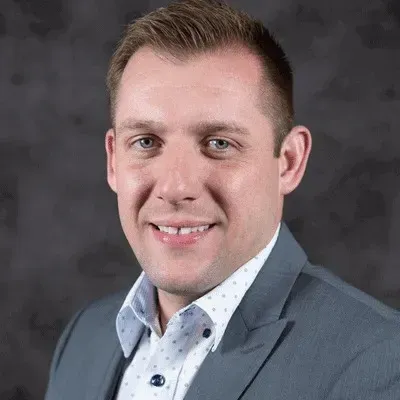
From Homelessness to Healing: How Joseph Landin Turned His Darkest Season Into a Movement
The founder of Sanctuary Recovery Centers didn’t just study recovery. He lived it, and then he built something that could save others from the same darkness.
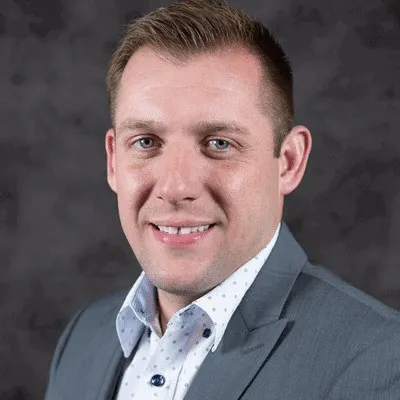
Some people understand addiction from a textbook, and then some people understand it from the inside. Joseph Landin, founder of Sanctuary Recovery Centers, is unmistakably the latter. His credentials aren’t framed on a wall. They were forged in one of the hardest seasons a person can endure: homeless, deep in addiction, and searching for a reason to keep going.
What sets Joseph apart isn’t just that he survived. It’s what he chose to do once he came out the other side. Rather than leave his past behind him, he walked back into it, deliberately, purposefully, and built something that could catch others before they hit the same bottom. That decision, to transform personal pain into collective purpose, is the heartbeat of everything Sanctuary Recovery Centers stands for today.
Where it all began
Joseph’s journey into addiction wasn’t a slow drift. It was the kind of free fall that strips everything away, stability, identity, hope. Facing homelessness while battling substance use, he found himself in a place that most people only read about. There were no safety nets, no clear exits, and very little in the way of support that actually felt human.
What eventually pulled him through wasn’t a single moment of clarity or a program that fixed everything overnight. It was a long, difficult process of rebuilding, piece by piece, with the kind of determination that only comes from having nothing left to lose. And somewhere in that process, Joseph began to understand something that would shape the rest of his life: recovery isn’t just about stopping. It’s about becoming. It requires not just removing the substance, but reconstructing the person.
That insight, born from lived experience rather than academic study, became the philosophical foundation of everything he would eventually create.
A movement that started at home
Sanctuary Recovery Centers didn’t begin with investors, a board of directors, or a polished business plan. It started in Joseph’s own home. That detail matters more than it might seem at first glance. It means the very first version of Sanctuary was a personal act of hospitality, an extension of one man’s own recovery into a space where others could begin theirs.
There’s an intimacy in that origin that you can’t manufacture. When a treatment center begins not as a venture but as a home, the culture that forms around it is fundamentally different. The values aren’t handed down from a corporate structure; they emerge organically from the lived experience of the person who built it. For the people who first walked through Joseph’s door, they weren’t entering an institution. They were entering a space shaped by someone who had been exactly where they were.
That ethos didn’t diminish as Sanctuary grew. It scaled with it. Today, Sanctuary Recovery Centers operates a network of facilities across Arizona, serving individuals navigating substance use disorders and mental health challenges. The footprint is larger, but the foundation remains the same: care that comes from understanding, not just training.
What “true healing and continued care” actually means
The phrase at the center of Sanctuary’s philosophy is “True Healing and Continued Care.” It would be easy to dismiss language like this as branding, but in the context of how Sanctuary was built and what Joseph has lived, it carries real weight.
True healing, in Joseph’s framework, means addressing the whole person. Not just the substance use, not just the symptoms, but the underlying pain, the fractured relationships, the lost sense of self, the co-occurring mental health challenges that so often sit beneath addiction like a root system. This kind of healing is slower and more demanding than detox programs that measure success in days. It requires patience from everyone involved, including the person doing the healing.
Continued care is the part that most systems get wrong. Recovery doesn’t end when someone completes a program. The period immediately after treatment is often when people are most vulnerable, when the structures that held them up are removed and the real world comes flooding back in. Sanctuary’s commitment to continued care means staying present through that transition, providing the ongoing support, connection, and accountability that make the difference between lasting transformation and relapse.
Together, these two ideas represent a rejection of the quick-fix model that has dominated so much of addiction treatment. Joseph built Sanctuary on the belief that people deserve more than a 30-day program and a handshake. They deserve a sustained investment in their becoming.
The power of a founder who has been there
There is something quietly radical about building a recovery organization when you yourself have walked through recovery. It changes the power dynamic in a way that matters deeply to the people seeking help. When Joseph sits across from someone in the depths of their addiction, he isn’t performing empathy. He isn’t drawing on training modules or clinical frameworks to approximate what that person might be feeling. He knows. And that knowledge creates a quality of trust that no credential can replicate.
For people who have spent years being misunderstood, by systems, by family members, by a culture that too often treats addiction as a moral failure rather than a health crisis, being truly seen is itself a form of medicine. It signals that healing is not just theoretically possible, but personally attainable. If this man, who was where you are, built this, then maybe there is something on the other side of this for you too.
That message, implicit in everything Joseph does, is one of the most powerful things Sanctuary offers. Not just treatment, but proof.
More than a treatment center
What Joseph has built in Arizona is bigger than a collection of facilities. It’s a movement organized around a single, radical idea: that your worst chapter does not have to be your last one. That the very things that broke you can, with the right support and the right environment, become the source of your greatest strength.
This is not a comfortable message for a culture that tends to sort people into those who made it and those who didn’t. It demands that we hold open the possibility of transformation for everyone, especially those who have been written off most completely. Joseph’s life and work are a standing argument for that possibility.
Sanctuary Recovery Centers continues to grow, and with that growth comes an expanding capacity to reach people who need exactly what Joseph once needed: a place that believes in them before they can believe in themselves, a community built on genuine understanding, and a model of care committed to staying present for the long road of real recovery.
For anyone who has ever felt defined by their lowest moment, Joseph Landin’s story carries a simple but transformative message: your past is not your sentence. Your struggles are not your ceiling. And the most powerful thing you can build is often the thing you wish had existed when you needed it most.
Sanctuary Recovery Centers provides treatment and continued care for individuals facing substance use disorders and mental health challenges across Arizona. Their approach centers on True Healing and Continued Care — a commitment to lasting transformation, not just short-term sobriety. Learn more at sanctuaryrecovery.com.
About me:
I am currently a Master Facilitator for The Elliott Group in addition to being on the board of advisors for our Cultural Transformation Department in ELLIOTT ARMY.
With over 14 years of client service experience, I have held substantial leadership roles in the automotive industry. I’m also an accredited coach, a writer, a speaker, and a triathlon finisher. To contact me for engagements, you can reach me at [email protected].
