Stop Playing It Safe & Letting Fear Run Your Life
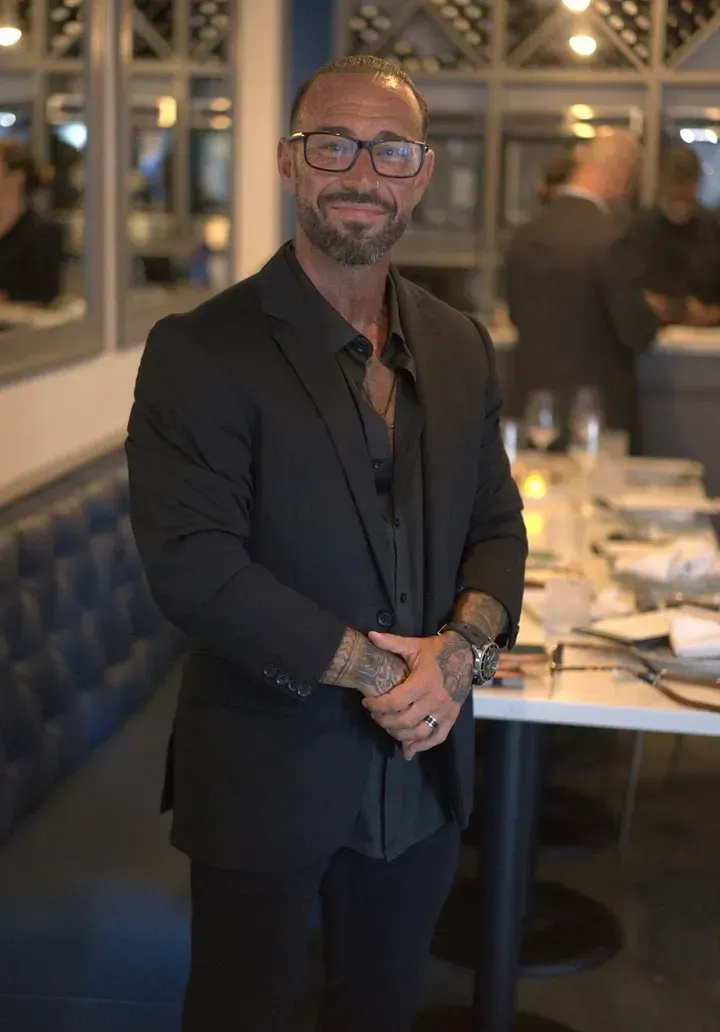
I have had a lot of guests sit across from me on Revenue from Retention, but few conversations stayed with me the way this one did. Paul Melella Jr., founder of One Degree Coaching and executive coach for financial advisors, walked into our conversation as a man who has built empires, lost them, and rebuilt his life on a completely different foundation. By the end of our talk, I was not just moved. I was reminded of why I started this show in the first place.

The Empire He Built and Lost
For thirty years, Paul and his wife Gina ran a chain of martial arts schools. They scaled it, built a culture around it, bought commercial real estate, and created a community that knew exactly who they were. Then Covid hit. The business that took three decades to build was gone within months. They lost their dream home. They moved their kids into Paul’s in laws’ house. Everything he had accumulated, the cars, the toys, the buildings, was stripped away in a matter of weeks.
Paul described it plainly. He had built a seven figure business and watched it get sold off for a fraction of its worth. He closed locations he had poured his life into. And underneath all of it was a quieter kind of loss, the identity he had built around being the guy who built things.
The Night Everything Broke Open
Paul told me about the night his body gave out before his mind did. On his birthday, he woke up feeling like a three hundred pound weight was pressing on his chest. He walked downstairs alone while Gina slept, sat on the couch, and had to talk himself through what felt like the edge of a heart attack. After thirty years of studying personal development, coaching under mentors like Bob Proctor, and absorbing everything Tony Robbins ever taught, Paul said he used every tool he had just to keep himself from driving to the hospital.
He thought God was punishing him. Looking back now, he believes God was preparing him.
Saul Becoming Paul
During that season, Paul found an app that walked him through a spiritual assessment and matched his answers to a figure in the Bible. Without knowing his name, it matched him to the Apostle Paul, a man who spent his early life persecuting Christians before being transformed and becoming one of the most influential voices in the New Testament.
The parallel hit him hard. He had spent years chasing the wrong mission with the wrong attitude, just like Saul before his transformation. The prayer that came with that assessment cracked something open in him, and he found himself in the bathroom, unable to hold back tears, confronting how much of his identity had been built on his own strength instead of surrender.

Rebuilding the Code
Out of that collapse, Paul rewrote what he calls his code. God first. Family second. Mission third. Goals last. He used the metaphor of a padlock with the right digits entered in the wrong order. All the pieces of his life were there, he said, they just were not aligned. Once he put them back in the correct sequence, everything started to open up again.
This is where our conversation turned toward something Paul has taught to thousands of clients, the idea of a worthy ideal. Borrowing from Earl Nightingale’s definition of success as the progressive realization of a worthy ideal, Paul explained the difference between chasing goals, which are shallow and temporary, and living for something that outlives you. A goal is a new car or a sales target. A worthy ideal is a mission big enough that you would sacrifice for it, one that keeps evolving long after you have achieved what you once thought was impossible.
He shared that when he asks clients why they want a particular goal and keeps asking why, the answer almost always lands in one of three places. Family. Legacy. Or God as the higher power behind it all.
Five Habits of Every High Performer
After coaching high performers for nearly two decades, Paul distilled what he sees in every single one of them.
They have a mentor in their industry. They pay it forward by mentoring someone else. They surround themselves with people who raise their standards instead of lowering them. They belong to a mastermind, a study group, or what Paul calls a discipleship. And they have a coach, no exceptions.
Paul compared himself to Tim Grover, the mindset coach behind Michael Jordan and Kobe Bryant, someone whose intensity was not for everyone but whose results spoke for themselves. Paul is not trying to reach everybody. He is looking for people who want to become one percenters, one small daily shift at a time.
Proud or Exposed
The most striking moment of our conversation came when Paul recounted a question his own coach, Andy, asked him a year ago. Imagine a drone following you everywhere, twenty four hours a day, watching you as a coach, a husband, a father, and alone in the quiet moments no one sees. Would you be proud, or would you be exposed?
Paul admitted that a year ago, his honest answer was that he felt exposed. Today, at fifty two, he told me he is the most proud he has ever been of who he is, as a husband, a father, and a leader, walking with a faith that has completely reshaped how he leads and how he loves.

What Is Next
Paul and Gina are moving into a new home on the water, closing out one chapter of their life in Charleston to begin another. His second book, Freedom Equation, cowritten with financial advisor Jerry Tovilla, is set to release this year. One Degree Coaching continues to grow, and Paul is scaling a team of coaches who share his mission of helping high performers align their lives before chasing their next goal.
Don’t Wait for the Door to Open Twice
Before we wrapped, Paul left listeners with a piece of advice that felt like the truest summary of everything we discussed. When you feel God nudging you toward an idea, a person, or an opportunity, do not wait. God opens the door, Paul said, but he does not push you through it. That responsibility is ours.
This conversation reminded me that the hardest seasons of our lives are rarely punishments. More often, they are preparation for something we could not have handled without first being broken open. Paul’s story is proof that rebuilding does not mean returning to who you were. It means becoming someone entirely new.
About me:
I am currently a Master Facilitator for The Elliott Group in addition to being on the board of advisors for our Cultural Transformation Department in ELLIOTT ARMY.
With over 14 years of client service experience, I have held substantial leadership roles in the automotive industry. I’m also an accredited coach, a speaker, a triathlon finisher, and a wife. To contact me for engagements, you can reach me at [email protected].
